Why Healing From Algorithm Penalties Requires Time and Precision

Recognizing Link Quality in the 2026 Search Environment
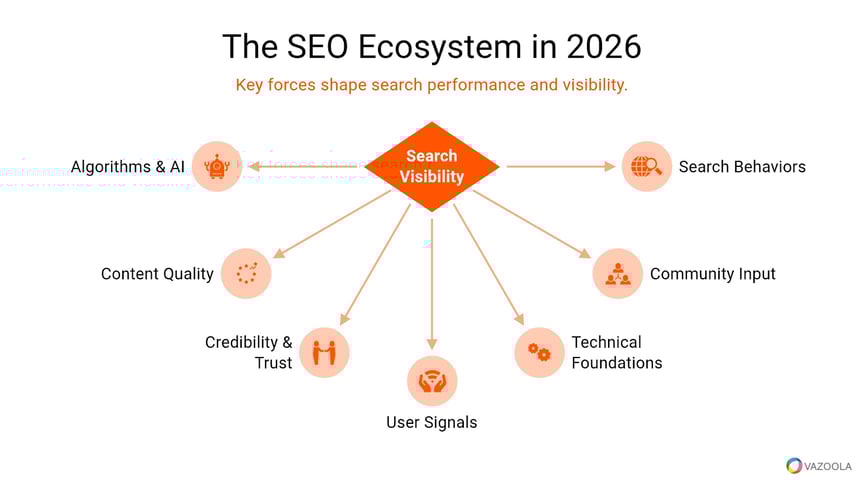
Browse engine algorithms in 2026 have actually moved far beyond the easy counting of external discusses. The existing environment prioritizes what lots of practitioners call "Entity Validation," where a link is only as important as the real-world authority of the source. Monitoring a backlink profile now requires a shift from amount metrics toward data-driven verification of human engagement and topical positioning. Old methods of inspecting domain authority scores no longer provide a precise photo of how a website stands within its specific niche.
Modern audits concentrate on the "Traffic-to-Link Ratio," a metric that recognizes whether a connecting page actually gets visitors. In 2026, search engines deal with links from ghost sites-- pages with no human traffic-- as neutral at best and toxic at worst. When examining a profile, the first step includes removing any referring domain that has not seen validated user activity in the last ninety days. This procedure makes sure that the focus stays on connections that exist within an active digital environment instead of a graveyard of ended domains.
Success in Asia Virtual Solutions Authority depends upon maintaining a profile that mirrors natural industry development. Algorithms now try to find "Development Velocity Consistency," suggesting an unexpected spike in links without a matching boost in brand searches or social points out can trigger a manual evaluation or an algorithmic suppression. To avoid these issues, the audit workflow should consist of a timeline analysis to guarantee that link acquisition matches the actual organization growth in the local market.
The Shift Towards Topical Authority Clusters
Context is the main driver of link value in 2026. A link from a high-traffic news site is less efficient than a link from a niche-specific blog site that sits within the very same semantic cluster as the target website. Investigating for topical importance involves looking at the three-tiered relationship in between the linking page, the linking domain, and the destination page. If all 3 do not share a typical semantic thread, the link is frequently marked down by modern-day ranking systems.
Data-driven link structure now depends on "Co-occurrence Analysis." This indicates online search engine look at the words and entities surrounding a link to identify its intent. If a link appears in a paragraph about professional solutions, however the surrounding text is generic or irrelevant, the link loses its weight. Audits need to classify links based upon their "Contextual Score," which measures the density of associated industry terms within a 500-word radius of the anchor text.
This level of analysis is particularly essential for businesses operating in the region. Localized importance is no longer practically having the city name on the page. It includes being part of a local data cluster where the connecting website has a tested connection to the geography of the target website. An audit ought to determine if the regional links are originating from genuine local sources or from generic directory sites that have no real footprint in the local area.
Technical Workflows for 2026 Link Auditing
The technical side of a backlink audit has become more automated yet needs deeper interpretation. The majority of specialists begin with a raw data export that combines information from at least 3 different indexing tools. This prevents reliance on a single spider's blind spots. As soon as the information is aggregated, the following workflow helps clean up the profile:
- Filter by "Link Type" to separate traditional hyperlinked text from image links, reroutes, and points out within script-heavy aspects.
- Look for "Security Headers" on the linking domain. In 2026, links from sites without modern security protocols are often flagged as low-grade.
- Analyze the "Outbound Link Ratio" of the connecting page. If a page has more than twenty external links, the worth passed to each one is minimal.
- Verify the "Hosting IP Variety" to ensure that the link profile is not coming from a single server block or a recognized link farm.
Research reveals that Asia Virtual Solutions Authority remains a core component of digital visibility when these technical standards are met. After the preliminary filtering, the auditor should search for "Inertia Hyperlinks"-- older links that have remained active for several years without the source page being updated. While these were once considered gold, 2026 algorithms typically choose "Fresh Verification," where a link is occasionally re-crawled and validated as part of a presently maintained resource.
Detecting AI-Generated Link Networks
The increase of artificial material in 2025 led to an enormous increase of AI-generated blogs created exclusively for link placement. Identifying these "Synthetic Clusters" is a huge part of the 2026 audit workflow. These sites often have high "Domain Strength" on paper however stop working when taken a look at for human-centric signals. Auditors search for recurring sentence structures, a lack of initial photography, and the absence of a proven author profile.
Pattern matching is the most efficient way to spot these networks. Often, these websites share the very same CSS files, use comparable personal privacy policy design templates, or are updated at the precise very same intervals. If a backlink profile reveals a high portion of links from websites that all updated their content within the very same six-hour window, it is a clear indication of a collaborated network. These links must be marked for elimination or disavow, as they represent a substantial risk to the long-term health of the domain.
The Role of Brand Name Mentions and Unlinked Citations
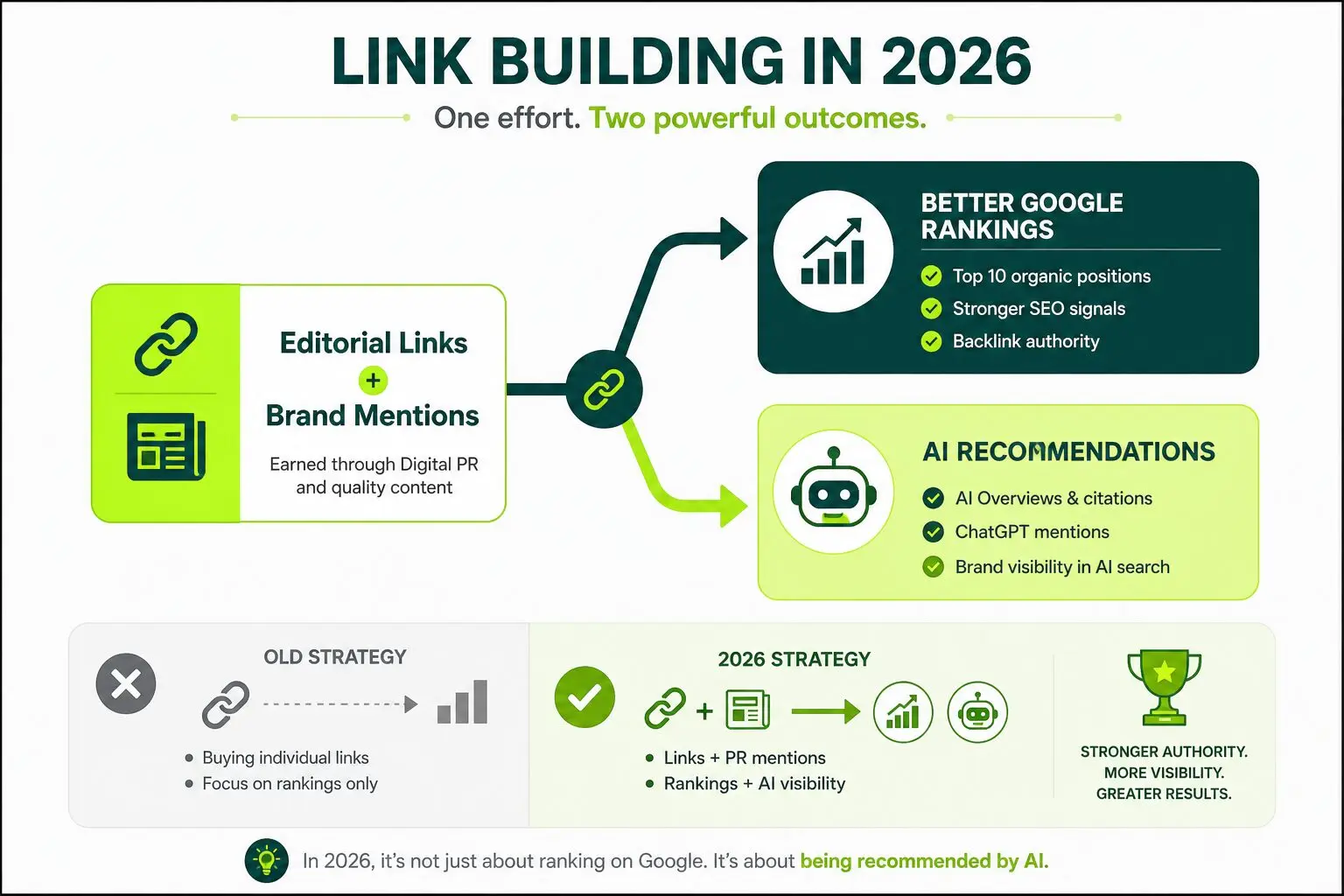
In 2026, the line between a traditional backlink and a brand mention has blurred. Online search engine now use "Implicit Hyperlinks," where a brand name is pointed out without a clickable URL. These citations are utilized to validate the legitimacy of the specific links in a profile. An audit needs to not simply take a look at the << a > tags but must also track how often the company is mentioned across the region without a link.
A healthy ratio of linked to unlinked discusses recommends to the algorithm that the brand name is a recognized entity in the local area. If a site has thousands of backlinks however absolutely no unlinked points out, it suggests an aggressive and abnormal link-building project. Stabilizing this ratio is an essential part of modern-day technique. During the audit, if the connected discusses surpass the unlinked points out by a significant margin, the focus should shift towards basic PR and brand name awareness rather than more link acquisition. ### Evaluating Anchor Text Variety and Intent The days of utilizing exact-match anchor text are long gone. In 2026, over-optimization of anchor text is among the fastest methods to get an algorithmic charge. An audit should evaluate the "Anchor Intent Circulation." This categorizes links into 3 containers: Branded, Navigational, and Detailed. Branded anchors ought to make up the bulk of the profile. Navigational anchors like "click here" or "source" are still useful for maintaining a natural appearance. Descriptive anchors, which explain the content being linked to, must be differed. If twenty various sites all use the precise same expression to connect to a page about technical offerings, the algorithm sees this as a footprint of a manual outreach project. The goal is to see a broad range of synonyms and long-tail phrases that suggest different people are describing the content in their own words. ### The Disavow Protocol in the Modern Period There is a frequent debate about whether the disavow tool is still necessary. In 2026, the consensus amongst data-driven specialists is that while search engines are better at disregarding spam, a manual disavow is still needed for "Unfavorable SEO" defense. When a competitor introduces a bot attack by flooding a website with thousands of poisonous links, awaiting the algorithm to "overlook" them is a dangerous move. The contemporary disavow process is surgical. Rather of disavowing entire domains, professionals now disavow specific URL patterns or subdirectories. This enables the website to keep any legitimate worth that might come from a large website while obstructing the specific sections that include spam. This needs a much deeper level of log file analysis to see which specific referring URLs are being crawled most often by search bots. ### Integrating Local Data into the Link Audit For organizations serving the local market, the audit should consist of a "Geographical Distance Report." This maps out where the links are originating from in relation to business's physical or service location. A business in the region need to see a concentration of links from local news outlets, regional federal government websites, and community blogs. If the geographic information reveals that 90% of the links are originating from nations outside the target market, it creates a "Area Inequality." Search engines use this to figure out if a site is relevant to local searchers. Throughout the audit, any link that originates from a premium however geographically irrelevant source must be noted as "General Authority," while links from the local area are marked as "Resident Trust Signals." The latter bring a lot more weight for appearing in the regional map pack and local search engine result. ### Future-Proofing the Link Profile The last phase of the audit is the production of a "Risk-Benefit Matrix." This involves looking at the existing profile and anticipating how future algorithm updates may deal with the existing links. By evaluating the "Stability Score" of referring domains-- taking a look at their traffic history and content consistency over several years-- an auditor can identify which links are most likely to remain important and which might disappear or end up being toxic. Link structure is no longer a one-time job however a constant cycle of auditing, pruning, and tactical acquisition. By focusing on data-driven metrics like human traffic, topical clustering, and geographical importance, organizations can ensure their digital presence remains strong through 2026 and beyond. The most effective websites will be those that treat their backlink profile as a living representation of their real-world credibility, guaranteeing that every link functions as an authentic endorsement from one authority to another. Preserving this level of quality needs consistent vigilance and a determination to move far from the simple, automatic methods of the past in favor of a more nuanced, human-centric technique to digital networking.